


SFDA CEO: Artificial Intelligence and Computer Simulation Open New Horizons for Accelerating Drug Development and Enhancing Patient Access to Treatments

The CEO of the Saudi Food and Drug Authority (SFDA), H.E. Dr. Hisham S. Aljadhey, highlighted the promising opportunities offered by artificial intelligence (AI) and computer simulation in accelerating drug development and improving the efficiency of clinical trials. These technologies can generate reliable scientific evidence to support regulatory decision-making and facilitate patient access to safe and effective treatments, particularly for rare diseases.
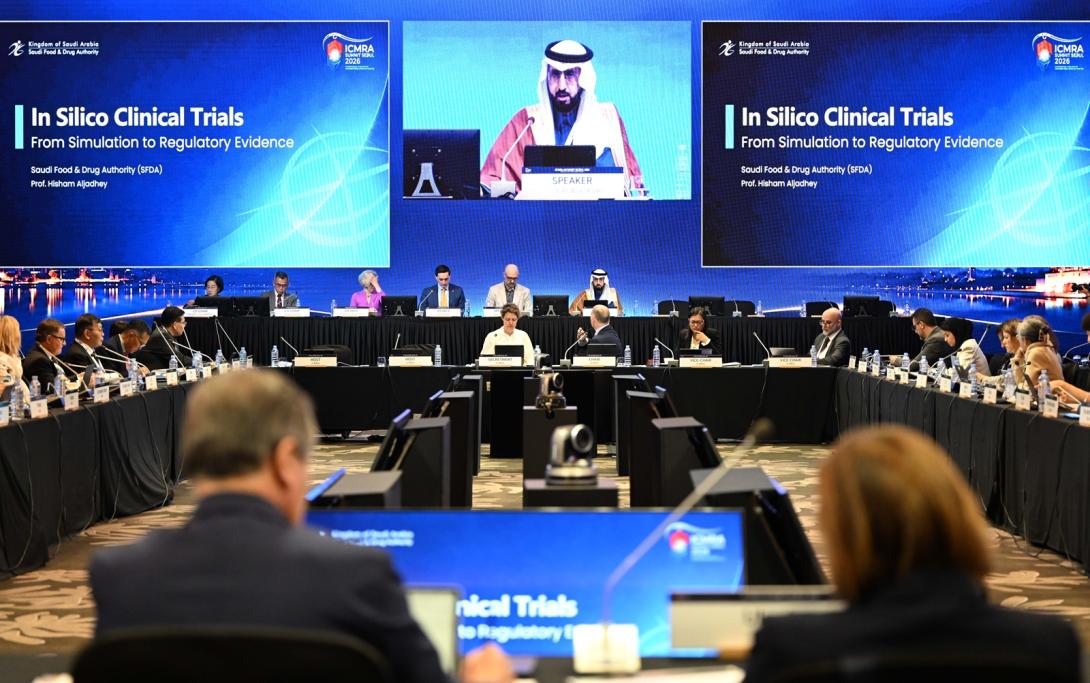
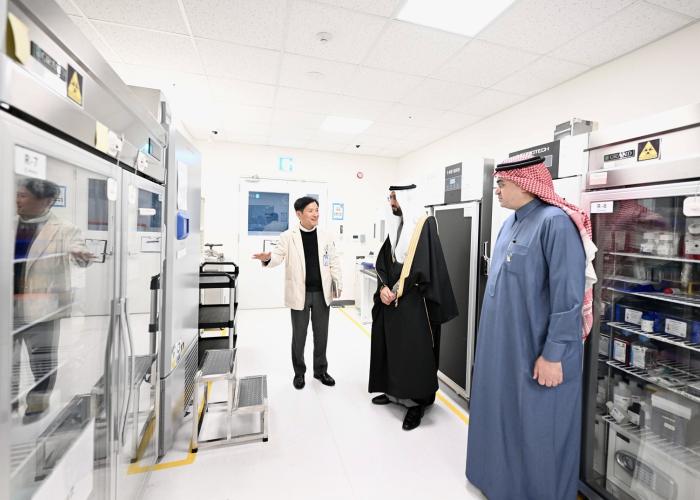
Dr. Aljadhey made these remarks during a presentation at the International Coalition of Medicines Regulatory Authorities (ICMRA) Summit, hosted by South Korea’s Ministry of Food and Drug Safety in Seoul, with the participation of leaders and representatives from regulatory authorities worldwide.
In his presentation, titled “In Silico Clinical Trials: From Simulation to Regulatory Evidence,” delivered during a session on “Global Trends and Practical Strategies for AI in Medicines Regulation,” Dr. Aljadhey explored how AI and computer simulation are transforming drug development. He highlighted their potential to accelerate clinical trials, strengthen the scientific evidence underpinning regulatory decisions, and reduce the burden on patients, while maintaining standards of quality, safety, and efficacy.
Dr. Aljadhey further emphasized the importance of leveraging these technologies to advance the development of treatments for rare diseases, an area that faces significant challenges in traditional clinical trials due to small patient populations and difficulties recruiting participants. Computer-based simulations, he noted, offer opportunities to complement and refine traditional study designs and, where scientifically and regulatorily appropriate, replace certain trial components. This could help accelerate the development of new therapies and improve their availability to patients.
Dr. Aljadhey stated that the SFDA is actively fostering a regulatory environment that supports this transition. Key initiatives include the NADR pathway for rare disease drugs, general considerations for the use of AI in clinical development, and the SFDA AI Lab (SAIL), a specialized facility dedicated to testing and evaluating AI applications in regulatory science. He stressed that the effective use of these technologies depends on the reliability and validity of the evidence they generate. Their successful implementation requires high-quality data, rigorous model validation, transparency, human oversight, and strengthened international cooperation and knowledge exchange.
The session explored the experiences and approaches of various international regulatory authorities in integrating AI into the regulation of pharmaceutical and biological products. Discussions covered the use of AI to support regulatory decision-making, enhance communication strategies, and apply lessons learned from AI implementation across the healthcare sector. The panel featured representatives from the U.S. Food and Drug Administration (FDA), the European Medicines Agency (EMA), the UK’s Medicines and Healthcare products Regulatory Agency (MHRA), the Spanish Agency of Medicines and Medical Devices (AEMPS), and Brazil’s National Health Surveillance Agency (Anvisa).
The SFDA’s active participation reflects its commitment to advancing international regulatory practices and keeping pace with technological developments in the pharmaceutical sector. As the first regulatory authority from the Middle East and North Africa (MENA) region to attain full membership in the ICMRA, the SFDA contributes directly to shaping the coalition’s policies and decisions, enhancing regulatory efficiency, and accelerating global patient access to safe and effective treatments.
The ICMRA serves as an international forum bringing together heads of medicines regulatory authorities from around the world. Its mission is to foster global cooperation, coordination, and the exchange of information and expertise; coordinate efforts to address global health challenges; ensure the safety, quality, and efficacy of medicines and vaccines; and support innovation and the timely availability of new treatments.










Comments and Suggestions
For any inquiries or comments about the government services, please fill in the required information.